




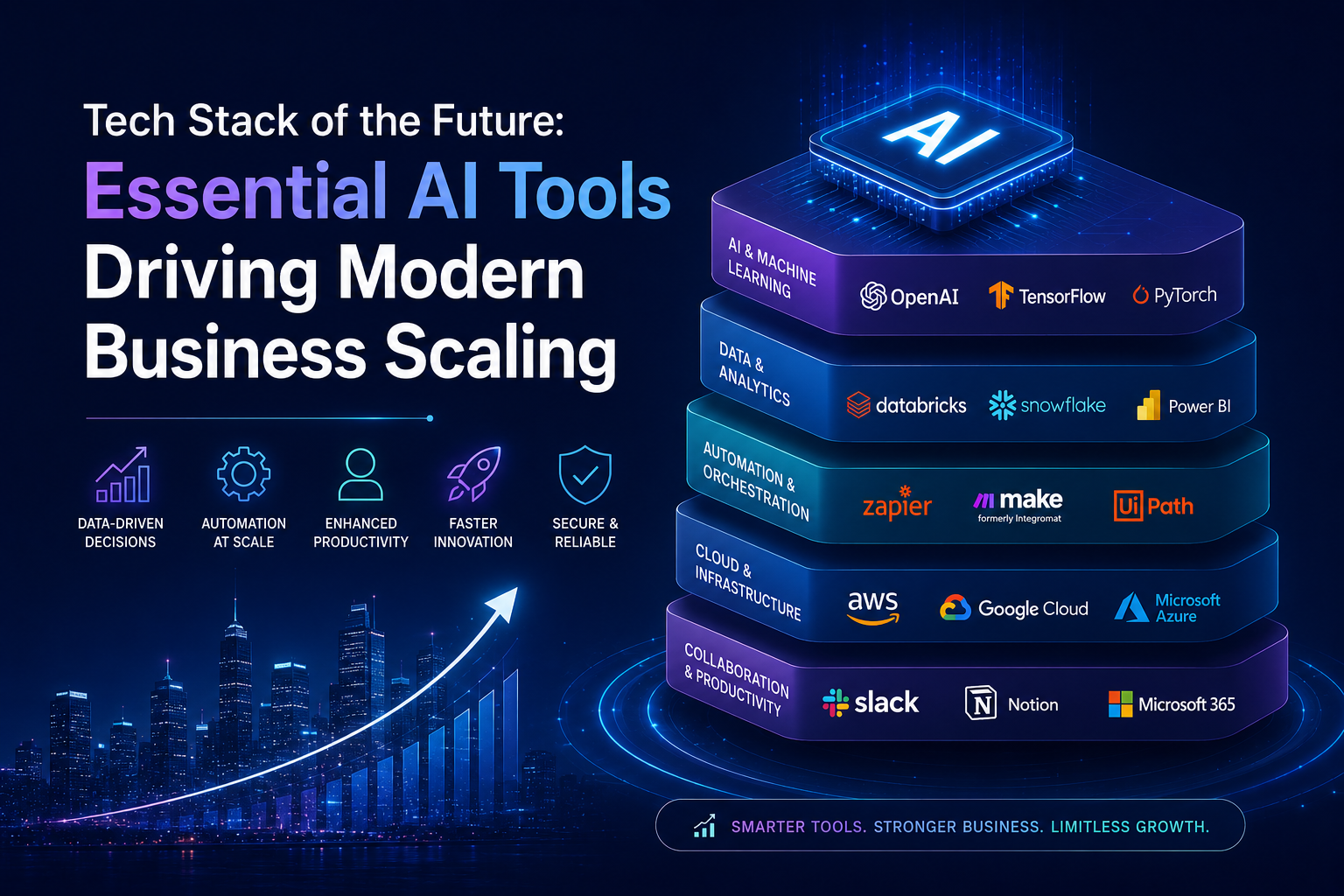
The digital landscape is moving at a breathtaking pace, and the tools we use to build, market, and manage businesses are undergoing a massive evolution. Artificial Intelligence is no longer just a conceptual layer; it has manifested into highly specialized software tools that eliminate manual operational friction.
For forward-thinking brands, leveraging the right AI tool ecosystem means completing tasks faster, generating data-backed insights, and keeping your design and development teams focused on high-level strategy.
Let’s blueprint the essential AI tool categories that are redefining market competition.
1. Intelligent UI/UX and Asset Layout Design
The visual design phase has transitioned from manual pixel-pushing to high-level layout generation and predictive asset mapping.
- Automated Interface Generation: Modern design assistants allow product teams to instantly generate responsive design frameworks, component libraries, and interactive visual variations. This radically compresses the time it takes to move from a raw concept to an approved design structure.
- Smart Asset Upscaling and Manipulation: Gone are the days of spending hours manually editing graphic variables or extending visual boundaries. Next-generation imaging tools can seamlessly fill, alter, or scale visual assets for landing pages and promotional banners without losing visual symmetry.
2. High-Performance Code Generation & Quality Assurance
In custom web and mobile app development, intelligent technical plugins are serving as relentless, automated co-pilots for software engineers.
- Contextual Code Suggestion: Modern engineering extensions analyze full-stack coding environments in real time. They suggest clean blocks of code, automate repetitive syntax writing, and help developers build robust features across complex frameworks like React Native or Flutter.
- Automated Vulnerability Spotting: Before a digital product goes live, AI debugging tools can crawl thousands of lines of code within a few business moments. They flag security vulnerabilities, optimize database queries, and ensure web application deployment is completely flawless.
3. Predictive Search engine Optimization (SEO) & Marketing Content
The mechanics of capturing audience visibility have shifted from basic keyword matching to deeply understanding complex semantic patterns.
- Semantic Analysis Platforms: Advanced SEO tool structures can audit entire competitor web frameworks instantly. They identify deep content gaps, structural positioning opportunities, and user intent clusters that help your brand establish absolute authority on major search engines.
- Dynamic Ad Tracking & Creative Variations: In paid digital marketing, smart tools automatically test dozens of landing page headlines, visual combinations, and ad copy variants. They shift budget weights automatically toward high-performing target demographics to maximize digital ROI.
4. Automated Operations & Smart CRM Integrations
Scaling a business requires flawless client intake and streamlined pipeline tracking. AI tools are bridging the gap between raw data and smooth operations.
- Conversational AI Integrations: Intelligent support systems handle initial customer touchpoints with exceptional contextual clarity, answering complex queries and routing premium leads directly to your sales managers.
- Predictive Pipeline Management: Advanced CRM modules automatically score incoming business inquiries, analyze historic communication data to predict closing probabilities, and automate manual updates so your team never misses a follow-up.
The Human Core: Tool Mastery Over Automation
The absolute truth of the digital era is simple: Tools are only as powerful as the hands that guide them. An AI tool can generate raw code or create template designs, but it lacks the contextual empathy, brand alignment, and deep technical architecture knowledge required to build an enterprise-level digital asset.
At WebThics, we integrate the world’s most advanced software systems directly into our workflows. Backed by years of experience, our technical engineers, senior designers, and marketing strategists orchestrate these intelligent tools to eliminate administrative lag, automate backend testing, and deliver premium, high-converting platforms designed for massive growth.
Highlight Features of this Post:
- Rich Industry Keywords: Cleanly integrates high-intent terms like UI/UX, landing pages, full-stack coding, React Native, Flutter, SEO, CRM tools, and digital marketing.
Zero Numbers: Perfectly aligns with your brand’s data constraint while maintaining a highly professional, authoritative tone.